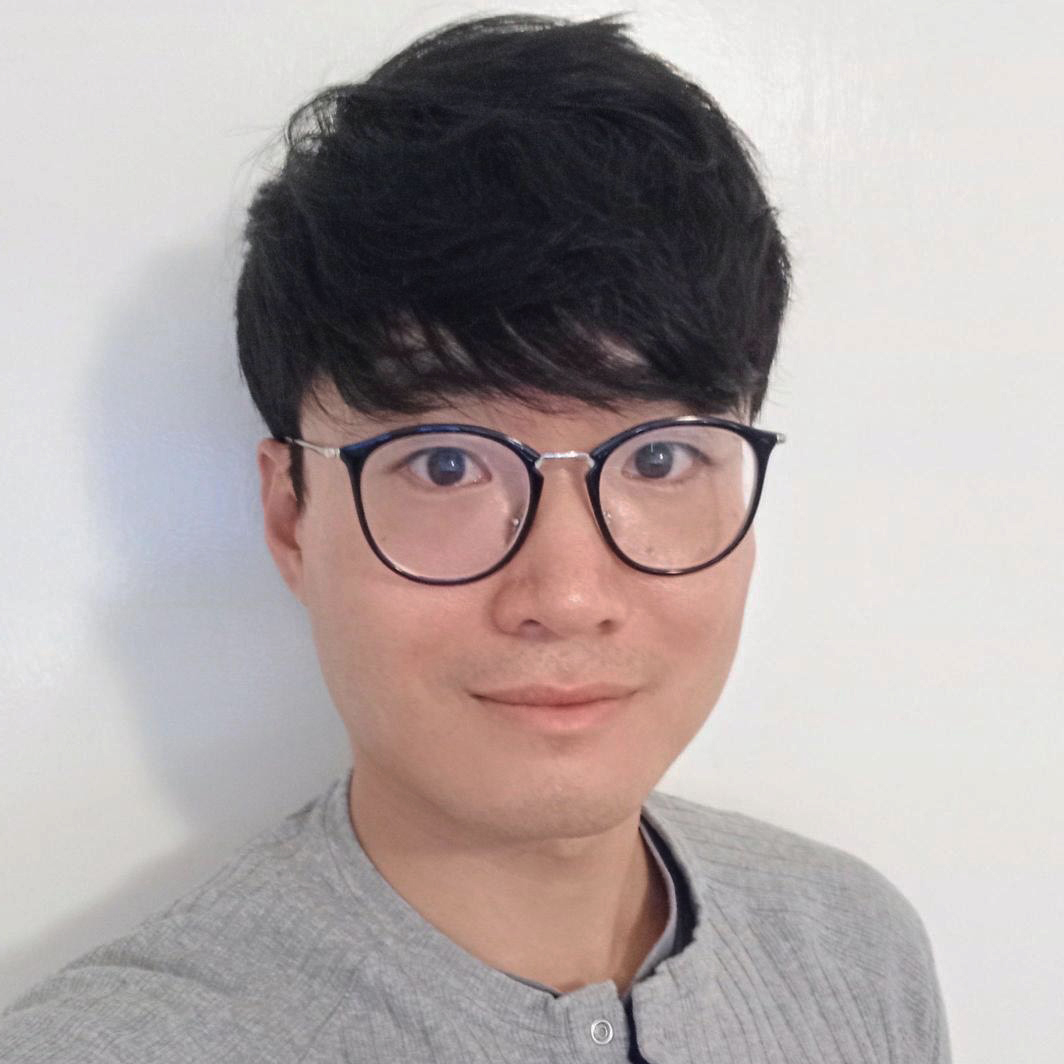
Simon Cheng
Exiled Hong Kong Pro-democracy Activist and Founder of Hongkongers in Britain (HKB)


I am also acutely aware that I have been placed on a wanted list by Hong Kong authorities, with a £100,000 bounty on my head, which intensifies the risks I face and underscores the serious threat to my safety.
One of the ways I have been targeted is through disinformation and character attacks. I am aware that hostile actors may circulate false or misleading narratives about my motives and activities, portraying me as “morally dubious”, a “troublemaker” or a “foreign agent.” Such campaigns can appear online or through state-aligned media, undermining trust within the Hongkonger diaspora and creating social stigma that affects my personal and professional life.
I have also experienced, and remain cautious about, social isolation. The combination of intimidation and disinformation can make it difficult to maintain normal relationships. Friends, colleagues, and community members may distance themselves out of fear, and employment or partnership opportunities can be limited. Even simple social interactions may carry the risk of exposure or scrutiny, which makes it challenging to fully participate in community life.
The safety of my family members in Hong Kong is a constant concern. I am aware that they may be questioned or monitored by authorities, or pressured in ways that could indirectly affect me. This creates an ongoing emotional strain and heightens my sense of vulnerability.
I take care to assume that my online and offline activities may be monitored. My social media posts, communications, attendance at events, and travel can all be tracked, and even the perception of surveillance creates pressure to self-censor. Legal threats, whether real or perceived, add another layer of risk: they can cause stress, financial worry, and reputational harm, and they can deter others from supporting or engaging with me. For someone in my position, these threats are particularly serious because, as an exiled activist working within a grassroots civil-society context, I do not have the institutional safeguards, legal protections, or resources that established public bodies or well-resourced organisations rely on to withstand such pressure.
Traveling internationally can also be stressful. I am aware that in regions where the rule of law is weak, there is a real risk that hostile actors could attempt to harass or detain me. This limits my ability to move freely and participate in advocacy globally, and it adds to a persistent sense of insecurity.
Overall, these pressures create significant long-term challenges. Constant surveillance, social isolation, disinformation, legal threats, and the potential risks to my family weigh heavily on me. Despite this, I continue to work on the front line to safeguard the Hongkonger exile community, fully aware that I am in a vulnerable position with far fewer resources or protective measures than the institutions and actors I seek to hold accountable.