
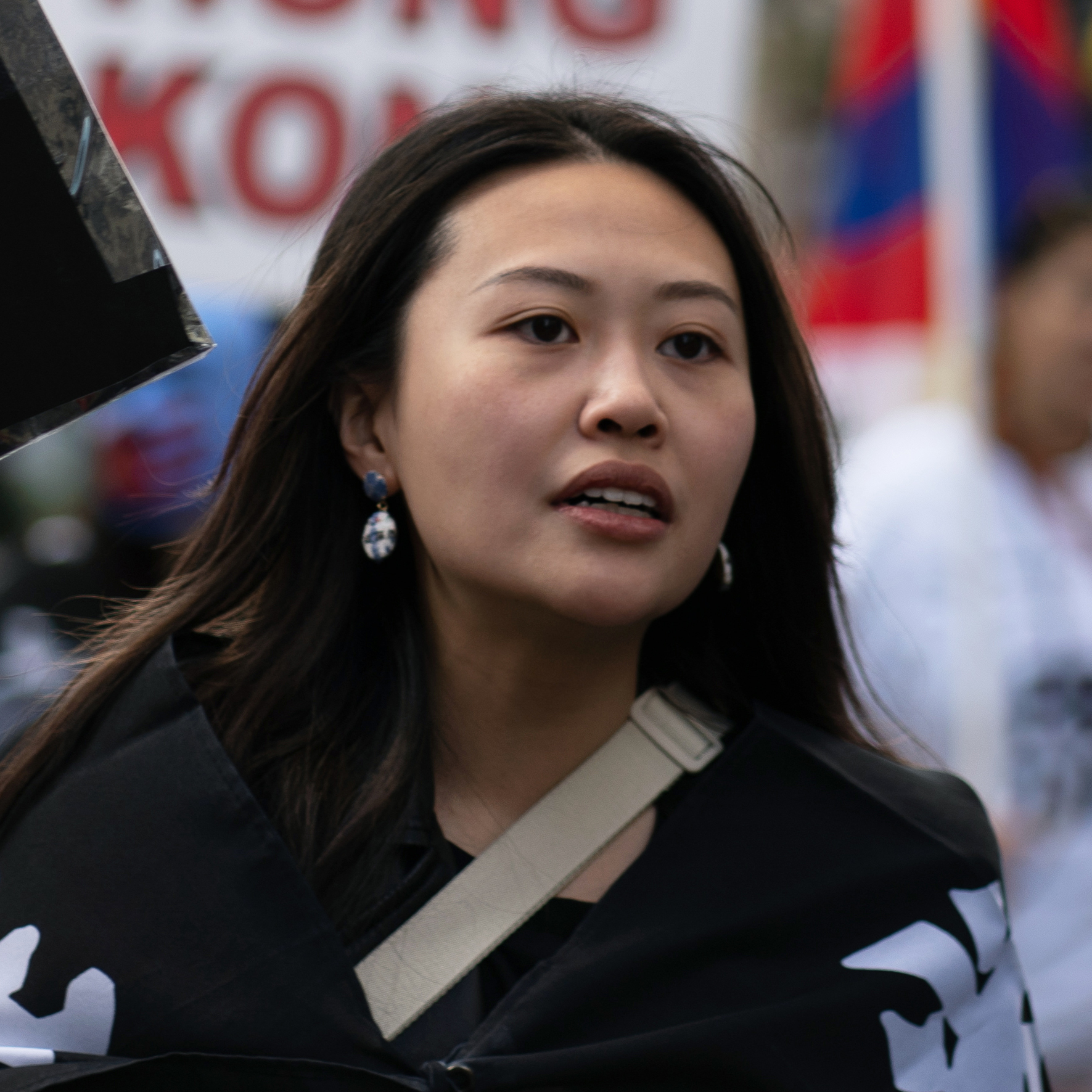
Carmen Lau


What followed was a sustained campaign of transnational repression combining intimidation, surveillance, and psychological warfare. Letters were sent to my neighbours’ doorsteps in the UK, my host country, encouraging them to “turn me in”. My family members back home were taken in for interrogation; a clear act of proxy coercion intended to punish and restrain me through the people I care about.
The physical threat is not hypothetical either; during protests in the United States, I was physically attacked, and in London, I was followed in the streets by individuals I had reason to believe were acting as agents or proxies. Each incident alone might be minimised; together, they form a coherent pattern of state-directed intimidation.
The purpose of these actions is not only physical harm, but psychological control. The defining feature of my life in exile is permanent uncertainty—never knowing whether a threat will remain latent or escalate. It forces a debilitating regimen of constant self-surveillance: calculating how visible to be, where to appear, and which spaces may no longer be safe. This is repression designed to exhaust rather than imprison, to deter rather than formally prosecute. Even in democratic societies, this reshapes behaviour. One lives with heightened awareness not because danger is always immediate, but because it is intentionally made plausible. This is the method by which fear is normalised and internalised over time.
Transnational repression of this kind is not a personal struggle or an isolated human rights concern. It is a direct attack on the sovereignty and rule of law of democratic states. When an authoritarian government places bounties on individuals abroad, retaliates against families at home, and deploys intimidation through physical and psychological means on foreign soil, it is asserting extraterritorial authority it does not possess.
My position is clear: democratic governments must recognise transnational repression as cross-border coercion and psychological warfare. Civil society and academic institutions must document these cases systematically, treating lived experience as primary evidence rather than anecdote. Protection mechanisms must be proactive, coordinated, and enforced. Authoritarian power relies not only on fear, but on hesitation and silence. Confronting transnational repression is essential—not just to protect those in exile, but to defend the credibility and integrity of democratic systems themselves.